


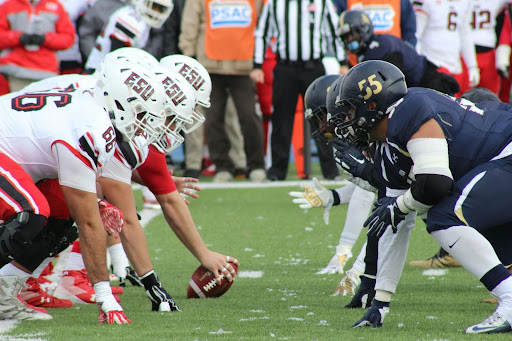
Getting into college as an athlete involves much more than excelling on the field or court. In the United States, admissions decisions for athletic recruits are shaped by a balance of sports performance, academic achievement, and personal preparation. Understanding how these factors work together can significantly improve the chances of earning an offer from a college program. This guide explains how sports and GPA intersect in the recruitment process and what aspiring college athletes should know.
The Role of Athletics in College Admissions
College sports programs actively recruit talented athletes who can contribute to their teams and represent the institution well. Coaches look for measurable athletic skills, game intelligence, consistency, and potential for growth. Depending on the division—NCAA Division I, II, III, NAIA, or junior college—the level of competition and expectations vary.
At higher divisions, especially Division I, recruitment can begin early in high school. Coaches track performance through game footage, tournament appearances, statistics, and recommendations from club or high school coaches. However, even the most impressive athletic profile cannot stand alone without meeting academic standards set by colleges and governing bodies like the NCAA.
Why GPA Still Matters for Athletes
Grade point average plays a decisive role in college opportunities for athletes across the United States. While athletic performance can open doors, academic results often determine whether those doors stay open. Admissions offices and athletic departments look at GPA as a clear indicator of discipline, consistency, and the ability to manage demanding schedules. Strong grades also help meet NCAA eligibility standards and reduce the risk of academic ineligibility later on. In competitive programs, a higher GPA gives coaches more flexibility to advocate for recruits and increases access to merit-based financial aid. Beyond admissions, solid academic performance prepares athletes for the reality of balancing practices, travel, and coursework once college life begins.
Despite understanding its importance, many learners struggle to maintain high grades during intense seasons filled with training and competitions. Time pressure, fatigue, and frequent travel can make it difficult to stay focused on assignments and exam preparation. In these situations, seeking structured academic support is a practical step rather than a weakness. Athletes often need professional help from writers on the official PapersOwl website, who are ready to complete written assignments on any topic in the shortest possible time. With the right guidance, athletes can strengthen their academic performance without sacrificing their commitment to sports. Ultimately, GPA is not just a number on a transcript; it reflects readiness for the academic side of college athletics. Those who prioritize grades alongside training are better positioned for long-term success, both during their college years and beyond.
NCAA Eligibility and Academic Requirements
To compete in NCAA sports, athletes must register with the NCAA Eligibility Center. This process verifies academic records and amateur status. Key academic requirements include:
- Completion of approved core courses in high school
- Meeting minimum GPA thresholds in those courses
- Achieving qualifying scores on standardized tests (for some divisions)
Division I and II programs have specific sliding scales that connect GPA with test scores. Division III schools do not require NCAA certification, but they still expect strong academic preparation for admission.
Understanding these rules early helps avoid last-minute issues that can derail recruitment opportunities.
Balancing Sports, GPA, and Time Management
One of the biggest challenges for aspiring college athletes is balancing rigorous training schedules with academic responsibilities. High school often includes practices, games, travel, strength training, and off-season conditioning—all while keeping up with coursework.
Successful recruits develop strong time management habits early. This may include structured study schedules, proactive communication with teachers, and using academic support resources when needed. Colleges are more confident recruiting athletes who demonstrate they can manage multiple responsibilities effectively.
How Coaches Evaluate Academic Profiles
While coaches focus heavily on athletic ability, they also review transcripts. A higher GPA gives coaches more flexibility during the admissions process, especially at academically competitive institutions. In some cases, a coach may strongly support a recruit, but admission can still be denied if academic standards are too low.
Coaches often prefer recruits who exceed minimum requirements rather than barely meeting them. This reduces risk and ensures the athlete can remain eligible throughout their college career.

Scholarships: Athletic and Academic
Athletic scholarships are common at Division I and II schools, but they are not guaranteed for every recruit. Some athletes receive partial scholarships, while others combine athletic aid with academic or need-based assistance.
A strong GPA opens doors to additional financial aid options. Academic scholarships can significantly reduce college costs and may be available even at schools with limited athletic funding. This combination makes an applicant more attractive to both coaches and admissions offices.
The Importance of Recruiting Strategy
Athletes who successfully get into college typically follow a clear recruiting strategy. This includes:
- Creating a sports résumé with stats, achievements, and highlights
- Developing high-quality game footage
- Reaching out to coaches with personalized emails
- Attending showcases, camps, or combines
- Maintaining consistent academic performance
It’s also important to target schools that match both athletic level and academic profile. Applying only to elite programs without meeting GPA expectations can limit options.
Choosing the Right College Fit
Not every athlete’s path leads to a powerhouse Division I program—and that’s okay. Division II, Division III, NAIA, and junior colleges offer excellent opportunities to compete while earning a degree. Many athletes thrive at smaller schools where they receive more playing time, academic support, and personal attention.
The “right fit” balances sports, academics, campus culture, and long-term career goals. Coaches and admissions teams appreciate recruits who have thoughtfully considered why a particular college aligns with their interests.
Final Thoughts
Getting into college as an athlete in the U.S. requires more than talent alone. Sports performance and GPA work together to shape recruitment opportunities, eligibility, and scholarship options. By understanding academic requirements, managing time effectively, and approaching recruitment strategically, aspiring college athletes can position themselves for success both on the field and in the classroom.
Preparation, consistency, and informed decision-making make the difference between hoping for an opportunity and earning one.