


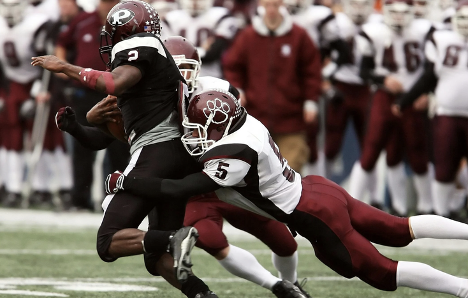
American football is one of the most visually powerful sports in the world, packed stadiums, high-impact collisions, sideline drama, and iconic uniforms. But it is also one of the most legally restricted sports when it comes to photography. Professional leagues, colleges, stadiums, and athletes all assert overlapping rights, making improper image use a frequent source of legal disputes.
This guide takes a rights-first approach to sourcing editorial football photography. Rather than starting with platforms, it starts with what you are legally allowed to publish, then maps those rules to the safest and most reliable image sources.
Step 1: Understand What “Editorial Football Photography” Actually Means
Before choosing a platform, it is critical to define the use case.
Editorial football photography refers to images used strictly for:
- News reporting
- Match recaps and analysis
- Player profiles in journalistic context
- Commentary or criticism
- Historical or documentary coverage
Editorial use does not include:
- Advertising or promotions
- Sponsorships or affiliate content
- Email marketing or paid social ads
- Product endorsements or branded landing pages
In football coverage, crossing this line, sometimes unintentionally, is where most infringement occurs.
Step 2: Identify the Rights That Apply to Football Images
Football photography is governed by multiple legal layers:
1. Copyright
The photographer (or their agency) owns the image copyright.
2. Rights of Publicity
Players control the commercial use of their name, image, and likeness.
3. Trademark Law
Team logos, uniforms, and league marks are protected.
4. Contractual League Control
Credentials issued by leagues often impose restrictions beyond copyright law.
Any legitimate editorial source will account for all four layers.
Step 3: Choose Sources That Are Built for Editorial Football Use
Instead of asking “where can I find football photos,” a safer question is:
Which platforms license NCAA or NFL photography specifically for editorial publication?
News Agencies: The Gold Standard for Compliance
News agencies operate within league agreements and credentialed access frameworks, making them the safest option for publishing game-day football imagery.
Why agencies are safest:
They handle credentialing, league compliance, and licensing terms before images ever reach editors.
Step 4: Use Editorial Stock Libraries, But Only the Editorial Side
Some stock platforms maintain separate editorial collections that operate differently from their commercial libraries.
- Getty Images
One of the most authoritative sources for professional football imagery. Editorial licenses are tightly scoped and prohibit promotional use—but are legally robust. - Alamy
Known for both current and archival football photography. Alamy’s editorial licenses are explicit and well-documented, making them suitable for long-form reporting.
Key rule:
Never assume a general stock license applies. Football images must be clearly marked editorial use only.
Step 5: Understand the Role of Mixed-Media Platforms
Some platforms host photography alongside illustrations and vectors. These can be useful for editorial football coverage if licenses are reviewed carefully.
- Vecteezy
While best known for design assets, Vecteezy also hosts photography that may be used editorially. Publishers must confirm:- Editorial-only designation
- Restrictions on identifiable players
- Prohibitions on commercial reuse
This type of platform is best used for contextual football imagery rather than exclusive game-action reporting.
Step 6: When Freelance Football Photography Is Legitimate
Freelance football photographers can be a valid editorial source—but only under specific conditions.
A freelance image is generally safe for editorial use if:
- The photographer was credentialed by the league or school
- The license explicitly grants editorial publication rights
- The image is not resold for commercial purposes
High school and some college football coverage often relies on freelance photographers, but editors should:
- Request written license confirmation
- Verify credentialed access
- Avoid reusing images outside the original story context
Step 7: Why “Free” Football Photos Are Usually a Trap
Free stock platforms often host football-related images, but most are not safe for editorial reporting involving identifiable players.
Common problems:
- No proof of credentialed access
- No publicity rights consideration
- No league permission
- Vague or non-existent editorial licenses
These images may be acceptable for:
- Generic football concepts
- Equipment close-ups
- Crowd or stadium atmosphere
They are not appropriate for:
- Game recaps
- Player identification
- News reporting
Step 8: Build an Editorial-Safe Football Image Workflow
Professional publishers treat football imagery like legal documents, not decorative assets.
A compliant workflow includes:
- Sourcing only from editorial-approved platforms
- Logging license type and usage scope
- Restricting images to news contexts
- Preventing reuse in marketing templates
- Training editors on editorial vs commercial boundaries
This separation is especially important on sites that monetize content through ads or subscriptions.
Step 9: Red Flags That Signal Potential Infringement
Avoid football images if:
- The license does not explicitly say “editorial use”
- The platform markets the image for “promotion” or “branding”
- The image features star players with no agency credit
- There is no mention of league or event context
When in doubt, assume the image cannot be used.
Conclusion: Editorial Football Photography Is About Process, Not Just Platforms
Finding editorial American football photography without infringing rights is less about hunting for images and more about respecting the legal structure of the sport.
The safest path is:
- Start with editorial intent
- Use credential-backed agencies or editorial libraries
- Treat licenses as binding legal instruments
- Avoid convenience shortcuts
Football imagery carries immense storytelling power, but only when used responsibly. Publishers who prioritize rights-first sourcing protect not just themselves, but the integrity of sports journalism itself.